
low e coatings
Understanding Low-E Coatings and Their Benefits Low-emissivity (Low-E) coatings have emerged as a groundbreaking innovation in the field of building materials and energy efficiency. These thin layers of metallic oxide are applied to the glass surfaces of windows and doors, playing a critical role in regulating heat transfer and enhancing the overall performance of glazing systems. The importance of Low-E coatings in today’s energy-conscious society cannot be overstated, as they offer significant benefits for both residential and commercial applications. What are Low-E Coatings? Low-E coatings are typically applied in the manufacturing process of glass. These coatings can be either “hard” or “soft” depending on how they are applied. Hard coatings are generally more durable and suitable for high-solar-gain climates, while soft coatings provide superior energy efficiency and are better for low-solar-gain applications. The primary function of Low-E coatings is to reflect infrared light while allowing visible light to pass through. This means that during the summer, they help keep indoor spaces cool by reflecting heat away, and in the winter, they minimize heat loss by retaining warmth indoors. Energy Efficiency and Cost Savings One of the most significant advantages of installing windows with Low-E coatings is their contribution to energy efficiency. The reduction in heating and cooling costs can be substantial for homeowners and businesses alike. According to the U.S. Department of Energy, Low-E coatings can reduce energy costs by up to 30-50% in certain climates. This reduction is achieved by minimizing the heat transfer through the glass, thus reducing the burden on heating and cooling systems. In addition to direct energy savings, there are also indirect benefits. Buildings that consume less energy can potentially qualify for green building certifications such as LEED (Leadership in Energy and Environmental Design), which can enhance property value and marketability. Comfort and Indoor Environment Quality low e coatings Another critical aspect of Low-E coatings is their impact on indoor comfort. By maintaining a more consistent temperature within a building, these coatings help create a pleasant living or working environment. They also serve to reduce glare from sunlight, which can be disruptive in offices or homes. Additionally, Low-E coatings can help protect interior furnishings by filtering out harmful ultraviolet (UV) rays that can lead to fading of fabrics, carpets, and artwork. Environmental Impact Using Low-E coatings contributes to environmental sustainability. Buildings equipped with energy-efficient windows can significantly decrease greenhouse gas emissions by lowering the demand for heating and cooling energy, which often comes from fossil fuels. Furthermore, by reducing energy consumption, Low-E windows lessening the overall carbon footprint of a building. This is increasingly essential as more industries and municipalities establish stricter guidelines and regulations regarding environmental impact. Installation and Maintenance Considerations When considering Low-E coatings, it is important to consult with professionals who understand the nuances of window glazing and energy efficiency. Several factors, including the local climate, orientation of the building, and specific performance needs, should be assessed to ensure the right type of Low-E coating is selected. Additionally, while Low-E windows do require some maintenance, they do not need specialized cleaning beyond standard window care. However, they should be treated with care to avoid scratching the coatings, which could diminish their effectiveness. Conclusion In summary, Low-E coatings represent an innovative solution for enhancing energy efficiency in buildings. By minimizing heat transfer, they not only lower energy costs but also contribute to a more comfortable indoor environment and support sustainability initiatives. As the world moves towards more energy-efficient practices, incorporating Low-E coatings into both new constructions and renovations will be pivotal in achieving a greener future. Whether for residential homes or commercial properties, the benefits of Low-E coatings are clear and compelling, paving the way for smarter, more eco-friendly living.
-

frosted glass window pane
frosted glass window pane
View Details -

round wood bathroom mirror
round wood bathroom mirror
View Details -

gold reflective glass
gold reflective glass
View Details -
round glass mirror for wall
round glass mirror for wall
View Details -
gray bathroom mirror
gray bathroom mirror
View Details
Our application
-
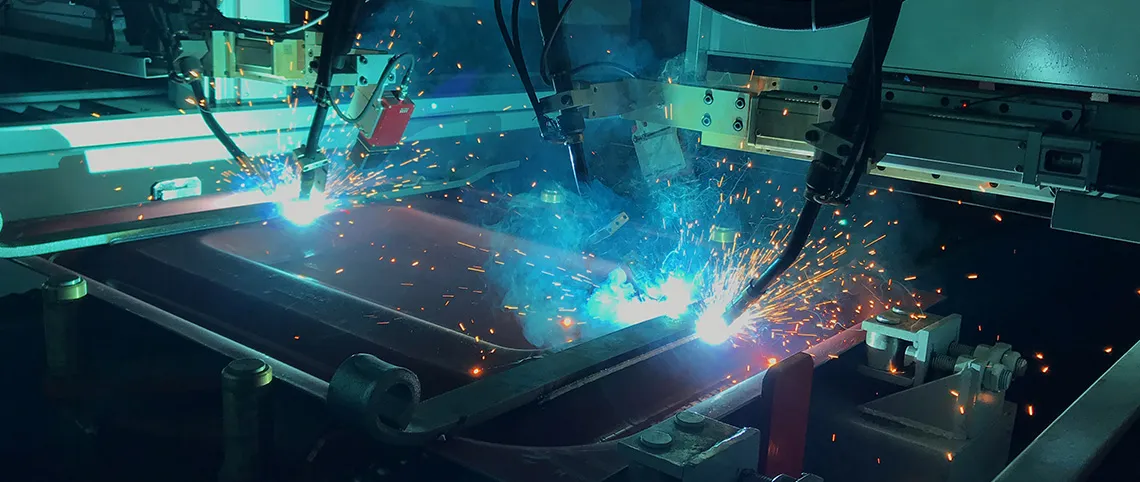 read more
 -
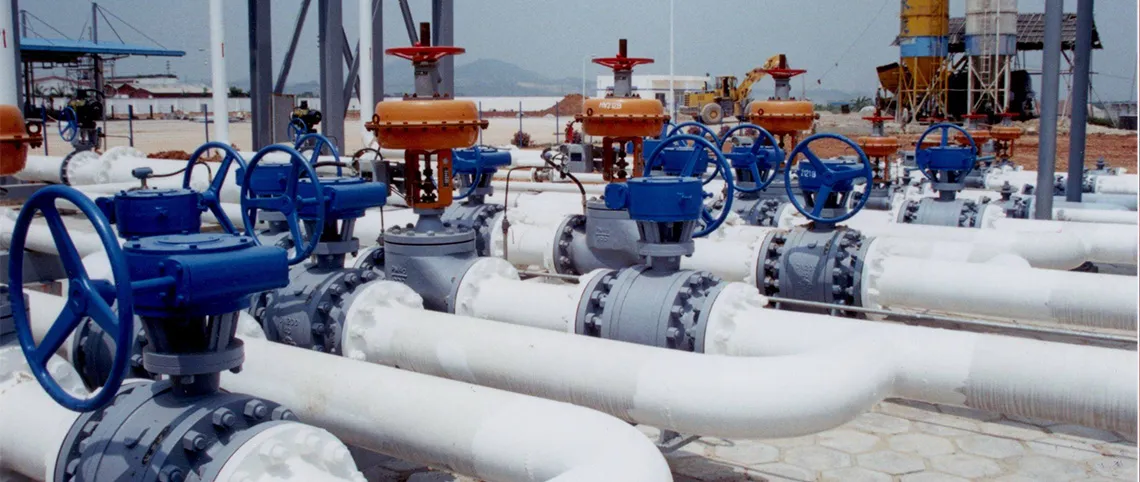 read more
 -
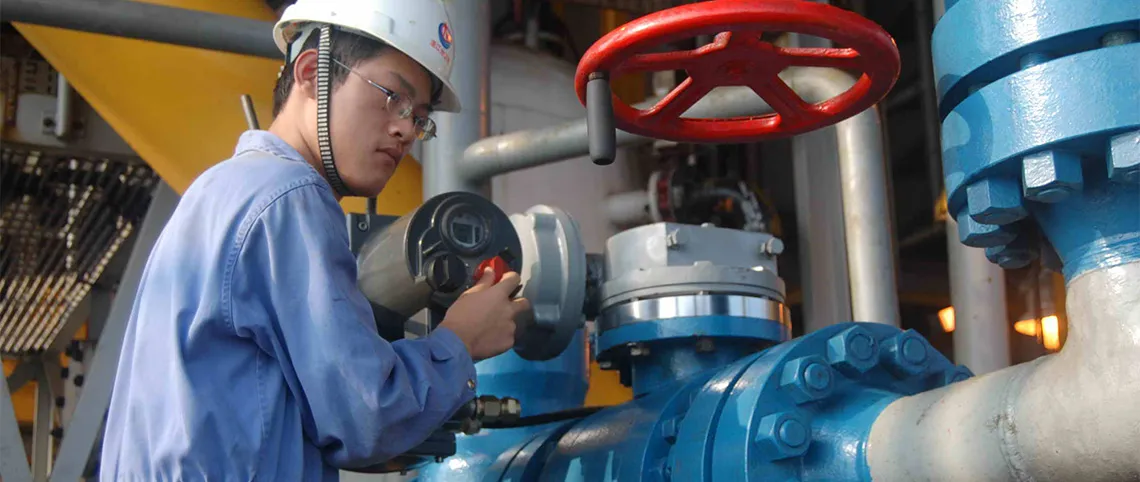 read more
 -
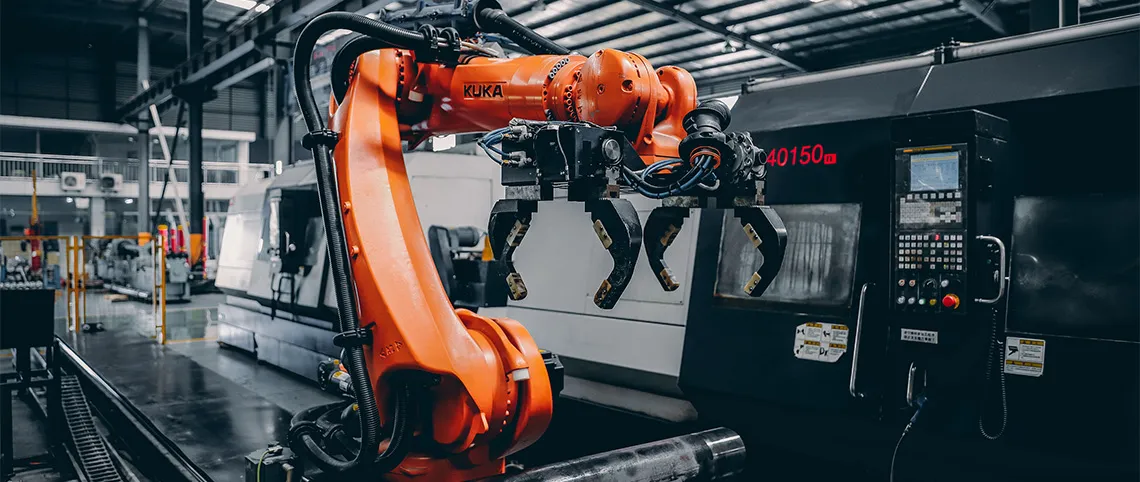 read more
 -
 read more
 -
 read more
news and information
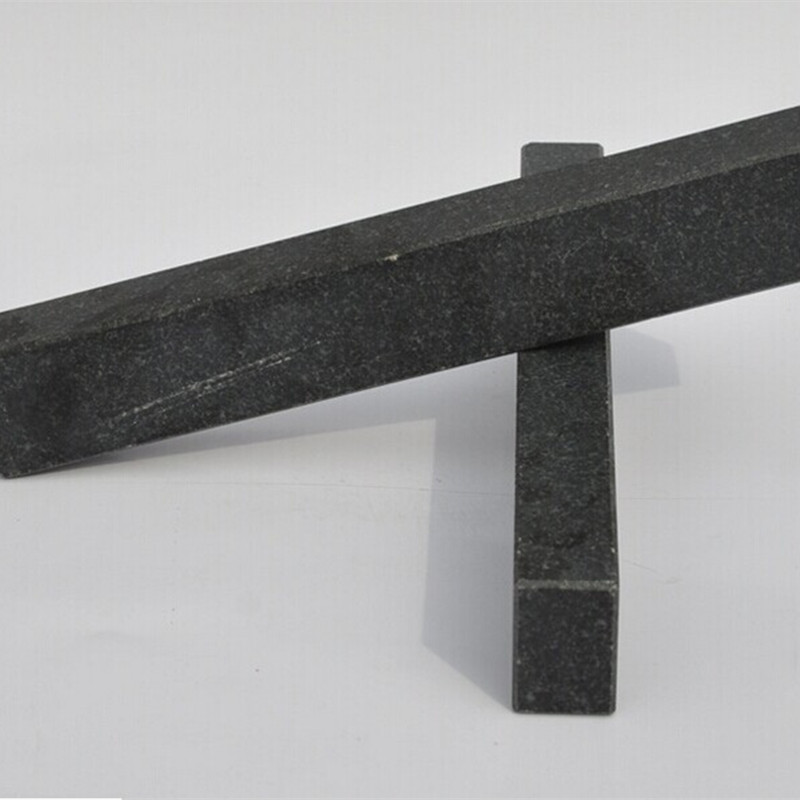
welding table supplier
Finding the Right Welding Table Supplier A Guide for Professionals Welding is an essential process i
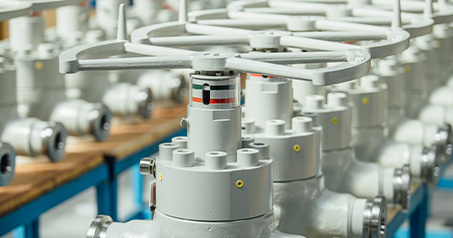
What Is the Difference Between a Silent Check Valve and a Regular Check Valve_
In the realm of fluid dynamics, valves play a crucial role in controlling the flow of liquids and ga

Valvola a saracinesca elettrica a tenuta morbida
La scelta e l'utilizzo corretti di una valvola a saracinesca da 150 mm sono fondamentali in numerose